FREE SHIPPING - ALL SIGNS!
 4.9 GOOGLE RATING
 2 YEAR WARRANTY
4.9 GOOGLE RATING
FREE SHIPPING - ALL SIGNS!
2 YEAR WARRANTY

 USA
USA  Australian
 The Move from Glass Neon & Fluorescent
to LED-Based Illuminated Signage
Summary
The move from traditional neon and fluorescent signs to LED-based illuminated signage is being driven by:
- Energy savings of 60-80% compared to traditional lighting
- Cost savings of US$95-US$300+ per sign annually on electricity bills
- 50,000-100,000 hour lifespans vs. 8,000-15,000 hours for traditional options
- Reduced maintenance costs from fewer replacements
- Environmental benefits including no mercury or toxic gases
- Market dominance with LED neon now holding 65% market share
- Enhanced features including remote control, programmability, and improved brightness
The transition is nearly complete in developed markets, with LED technology now representing the standard choice for new commercial illuminated signage installations.
Energy Efficiency Comparisons
LED vs. Traditional Neon
LED signs consume up to 80% less energy than glass neon and fluorescent lights. Reduced electricity usage means lower utility bills, making them cost-effective in the long term. LEDs generate minimal heat, reducing the need for additional cooling or ventilation systems.
Traditional neon signs typically consume between 15 to 20 watts per linear foot, whereas LED neon signs are much more energy-efficient, using only about 3 to 4 watts per linear foot. This significant difference means LED neon signs can use up to 80% less power while delivering the same vibrant glow.
Specific Cost Comparisons
When comparing traditional neon signs to LED neon signs, there is a significant difference in electricity costs. A traditional neon sign consumes about US$118 annually in electricity, whereas an LED neon sign requires only around US$23 per year. This results in substantial savings of approximately US$95 per year for each sign when opting for LED technology.
When considering energy consumption for signage, it's important to note that a traditional neon sign left on for 12 hours a day will consume approximately 1,752 kWh of power annually. In contrast, fluorescent signs will use around 2,672 kWh in the same period. However, LED signs stand out for their efficiency, costing only about US$80 per year in energy expenses. For comparison, neon signs cost approximately US$228 annually, while fluorescent signs can reach around US$347. This highlights the significant cost-saving potential of using LED technology for signage.
LED vs. Fluorescent Energy Savings
According to the U.S. Department of Energy, residential LEDs use at least 75% less energy and last up to 25 times longer than incandescent lighting.
LED neon signs consume up to 75% less energy than traditional neon signs, which translates to lower greenhouse gas emissions and energy bills.
Business Impact and Savings
Monument and Pylon Signs
A typical monument sign with multiple fluorescent tubes might consume 2,000-3,000 watts, while LED replacements use 400-600 watts for superior brightness and visibility. Businesses with comprehensive signage packages often see monthly electric bill reductions of US$200-US$800 simply from sign conversions.
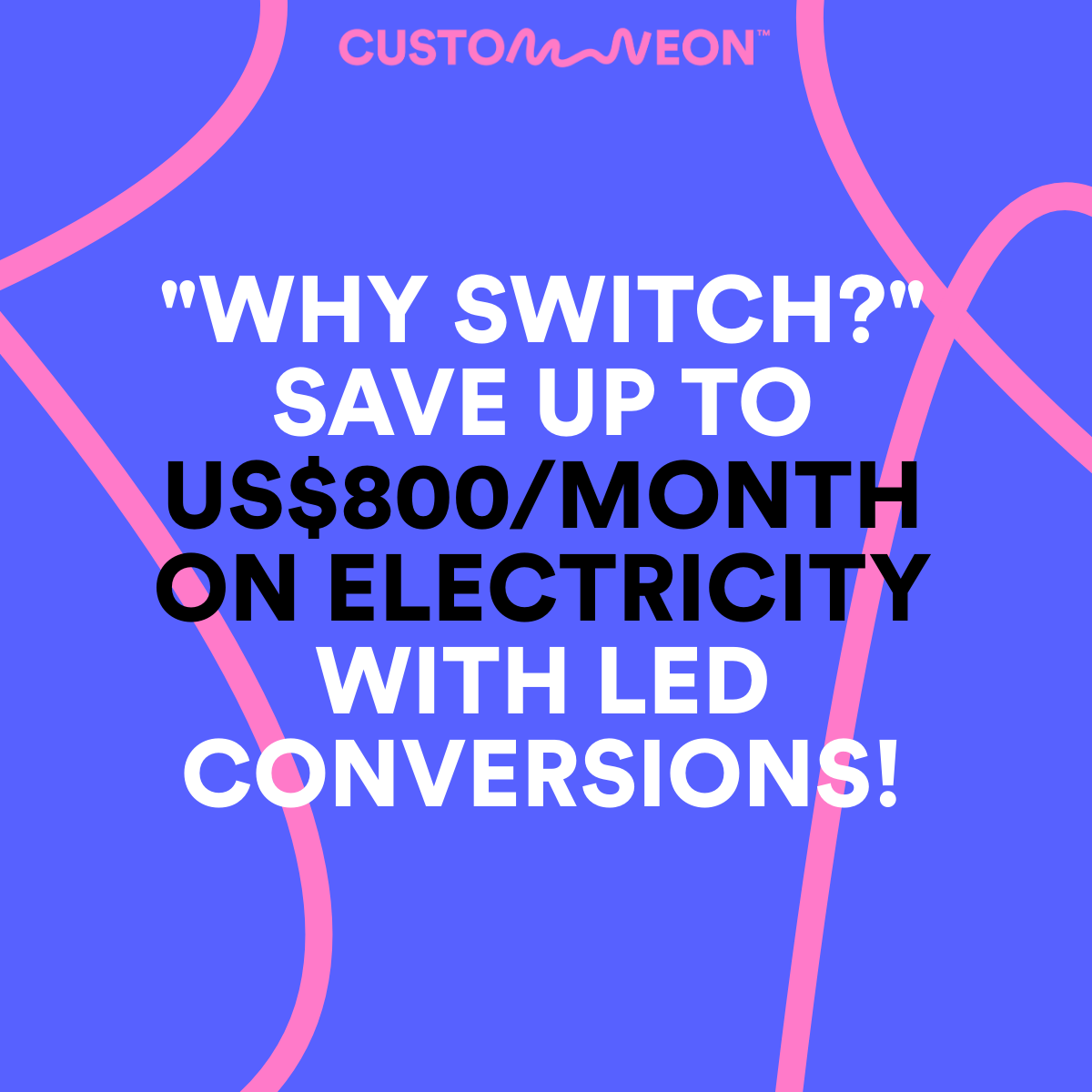
Transitioning from traditional fluorescent, neon, or incandescent signage to LED technology can lead to significant benefits for businesses. By making this change, companies can reduce their sign-related electricity costs by 60-80%. Additionally, LED signs enhance visibility and reduce maintenance requirements, making them a practical choice for modern signage solutions.
Lifespan and Maintenance Benefits
The average lifespan of an LED display surpasses an impressive 50,000 hours, making it a far more durable choice compared to traditional neon and fluorescent lights. In fact, high-quality LED displays have the potential to operate for over 100,000 hours, which translates to significantly reduced downtime and a decreased need for replacements over time. This longevity not only leads to cost savings but also minimizes maintenance efforts. Moreover, every hour that your LED sign exceeds the lifespan of conventional neon or fluorescent alternatives contributes to a smaller environmental footprint. By choosing LEDs, you're not just opting for a more efficient lighting solution, but you're also making a responsible choice that has a positive impact on our planet.
Market Adoption Trends
LED Neon Signs Market Growth
LED neon signs now account for approximately 65% of the market share, driven by their 30% lower energy consumption and 40% longer lifespan compared to traditional neon signs.
The neon signs market is anticipated to experience substantial growth, projected to increase by 45% over the next few years. This surge is largely driven by a rising consumer demand for personalized and distinctive signage that reflects individual creativity and brand identity. Notably, approximately 50% of all neon signs currently produced are custom-designed, showcasing a significant shift towards unique offerings that cater to specific tastes and preferences. As businesses and consumers alike seek to create memorable visual experiences, the customization trend in neon signage is likely to play a pivotal role in the market's evolution, positioning it at the forefront of modern advertising and décor.
Environmental Benefits
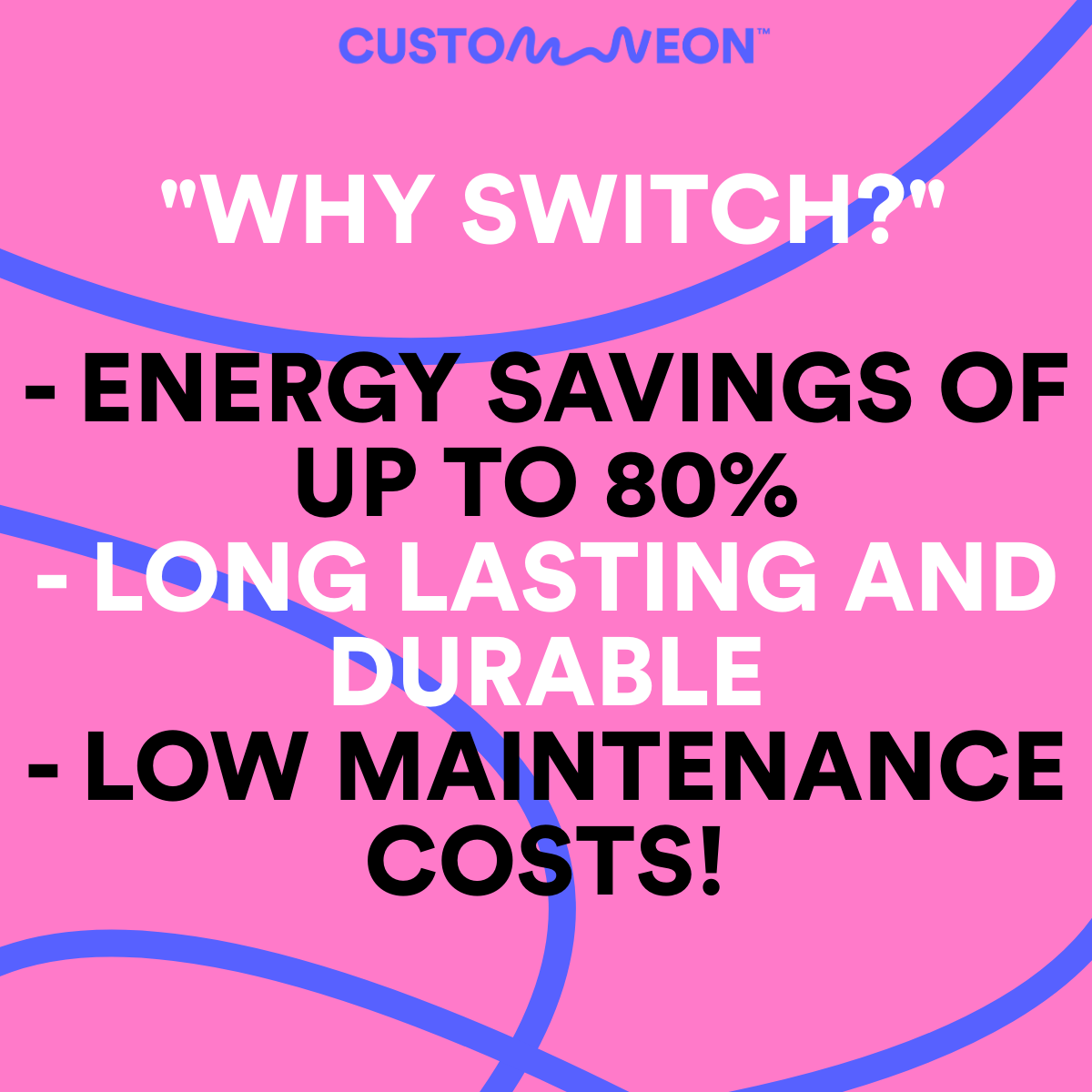
LED signs are highly energy-efficient, consuming up to 80% less electricity compared to traditional neon or incandescent signs. One of the key advantages of LED technology is that it is free of hazardous gases, such as mercury and argon, commonly found in neon signs. This makes LED signs not only safer for recycling and disposal but also more environmentally friendly throughout their entire lifecycle.
Notable Landmark Transitions
Iconic buildings like 30 Rockefeller Plaza in Midtown Manhattan and Apollo Theater in Harlem are swapping their famous neon signs with LED signs. LED technology is undeniably the future, with brands, businesses, and marketers poised to capitalize on its minimal environmental impact and significant reduction in operational costs.
Recent Product Innovations
Samsung's QuantumFlex LED Panels (2026) leverage cutting-edge quantum dot technology alongside AI-driven content optimization, delivering an impressive 30% reduction in power consumption compared to traditional LED displays. The market is thriving, with retail chains eagerly embracing the chance to amplify their visual allure while simultaneously reducing operational costs. This dynamic approach is creating a captivating blend of efficiency and impact that is truly turning heads.
To find out more about our research or request an interview:
Get in touch with our Media & Outreach team now by contacting
Clare Jones
Global Outreach Manager
Email: clare@customneon.com
LinkedIn: Clare Jones
All product names, logos, and brands are the property of their respective owners. All company, product, and service names used in this website are for identification purposes only.
More research commissioned or undertaken by Custom Neon® can be found by clicking the following links: